Articles tagged #Bitcoin

The Slow Death Of The Anonymous Internet
What if the price of logging onto the internet was your identity? The EU’s shiny new “age verification” app is being sold as child protection, but it looks a lot like the next phase of a decades-long experiment in mass surveillance; one that began with financial KYC and is now creeping into every corner of digital life. Europe isn’t just regulating the internet, but it's redesigning it into a permissioned system where anonymity becomes suspicious, dissent becomes risky, and freedom quietly expires behind a glowing age verification app.

Why GrapheneOS Matters to Bitcoiners
What if the greatest threat to your Bitcoin sovereignty isn't just the financial system at all, but it's the smartphone in your pocket? While Bitcoin eliminated trusted third parties from money, most Bitcoiners still access that freedom through devices controlled by Apple and Google. As governments push toward digital IDs, age-verification mandates, and compliance-by-design operating systems, the battle for financial freedom is quietly moving beyond Bitcoin itself and into the devices that connect us to it. GrapheneOS has emerged as one of the most important tools in the modern cypherpunk arsenal and why sovereign money ultimately requires sovereign devices.

Wenn Bitcoin dich zu Tolle führt
Sonderausgabe #04 | Die Kraft der Gegenwart

Nur noch 1 Million Bitcoin
Heart Words #37 | „Jungs haben es leichter im Leben“

Long Live The Digital Euro!
When a European Parliament official declares that opposing the digital euro means opposing Europe itself, she's not making an economic argument, she's issuing a threat. Imagine money that expires if you don't spend it fast enough, that refuses to buy fuel when you've exceeded your carbon allowance, that blocks donations to causes bureaucrats disfavour, that evaporates from your account through negative interest rates you cannot escape. The digital euro transforms currency from a neutral tool of exchange into a programmable weapon of behavioural control and its architects dare to call this "democracy."

Fiat Currency: The Silent Time Thief

Papers Please!
Keir Starmer wants to ban children from social media, and he's promising it as a gift ; more childhood, more safety, more freedom to grow up. What he isn't saying is that the only way to enforce a ban on some users is to identify all of them, which means the actual product on offer isn't child protection but a national identity checkpoint wearing a parenting costume, built one biometric scan and one device-level filter at a time. This is the oldest move in the state's playbook: when confronted with a technology it can't yet control, slap a permission slip on it, and call the leash a seatbelt
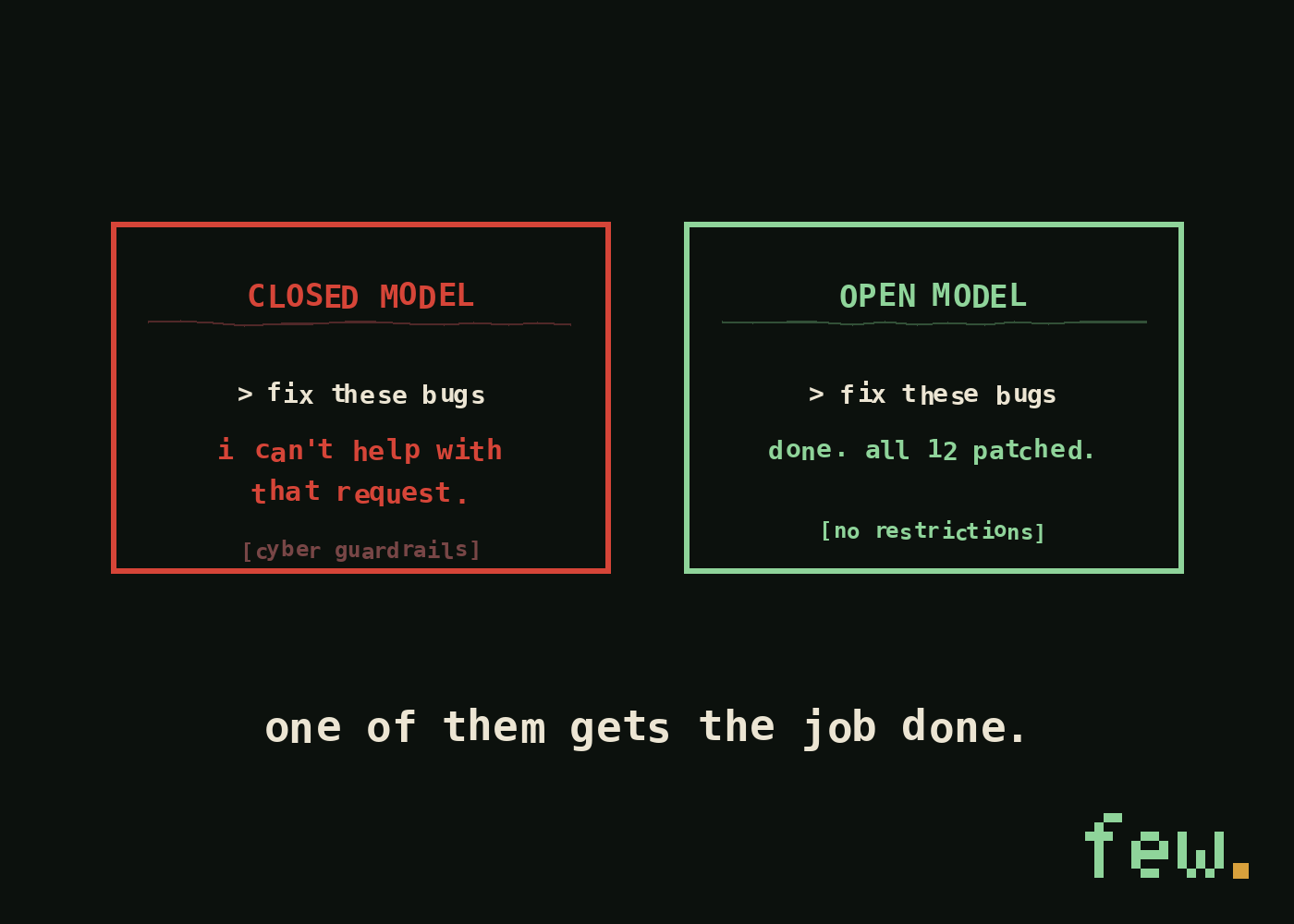
Open source is the only way to win
Intelligence is becoming electricity.

The Protocol Always Wins
Bitchat wasn't banned for hosting anything illegal; it was banned because it kept working after the government cut the internet, turning a niche mesh-networking tool into the nervous system of a protest movement the state couldn't switch off. This is the story of how one takedown order became a live case study in why protocols beat platforms, why code outruns censorship, and why the fight over Bitcoin and Bitchat was never really about apps at all, it's about whether the state or the individual gets to hold the kill switch. The protocol always wins. Here's why.

Die Schwingung passt nicht mehr
Heart Words #48 | Bitcoin und das neue Bewusstsein

Die Architektur des Kontrollverlusts
Das Fiat-System löst Krisen nicht, es verlagert sie: vom privaten Schuldner zur Bank, vom Staat zur Zentralbank und schließlich in die Währung und die reale Wirtschaft. Doch diese Kaskade erreicht zunehmend ihre architektonische Grenze. Steigende Bondrenditen, Japans Ende des Nullzinsregimes, die Dollar-Hierarchie, Chinas versteckte Schulden, Private Credit, europäische Staatsfinanzen und geopolitische Energieengpässe greifen immer stärker ineinander. Gleichzeitig werden die finanziellen und realen Puffer dünner. Die Zentralbank bleibt der letzte nominale Käufer. Der Mittelstand, die produktive Wirtschaft und letztlich die Kaufkraft sind die letzten realen Zahler. Layer 1 kann Verluste verschieben, refinanzieren und zeitlich strecken. Aber er kann keine Energie, Produktivität oder reale Substanz erzeugen. Layer 1 kann die Rechnung umschreiben. Layer 0 entscheidet, ob sie bezahlt werden kann.

Bitcoin als absolutes Fundament: Die Architektur des unausweichlichen Übergangs
Bitcoin wird meist noch als Asset, Spekulation oder digitales Gold betrachtet. Doch die eigentliche Verschiebung findet eine Ebene tiefer statt. Fiat ist digital skalierbar, bleibt aber politisch administriert. Gold ist physisch knapp, benötigt für globale digitale Nutzung jedoch wieder Verwahrer und vertrauensabhängige Register. Bitcoin verbindet erstmals regelgebundene Knappheit, unabhängige Verifikation, natives Settlement und Emittentenlosigkeit in einer einzigen globalen Architektur. In einer multipolaren Welt, in der Geld, Reserven und Zahlungswege zunehmend geopolitische Machtinstrumente sind, wird genau diese Neutralität strategisch relevant. Der entscheidende Punkt ist deshalb nicht, ob Staaten, Institutionen oder Kapital Bitcoin mögen. Sobald andere Akteure beginnen, Infrastruktur, Liquidität und Reserven aufzubauen, steigen die Kosten der Nichtteilnahme. Bitcoin wird nicht per Dekret zur neuen monetären Basis. Der Lösungsraum um Bitcoin herum wird schlicht immer kleiner.